The Japanese film Be with You is one of those quintessential movies that always comes to mind when summer arrives. Combining a blindingly beautiful field of sunflowers with a tearful story of three people facing a heartbreaking farewell, it easily ranks among the best films to watch when you just need a good cry.
Takumi and his son, Yuji, have lost their beloved wife and mother, Mio. However, Mio had made a promise that she would return during the rainy season. And then, as if by magic, she appears before them—with no memory of who they are.
As the rainy season draws to a close, their brief, dream-like everyday life must also end. Desperately wishing for the rain to never stop, young Yuji begins making teru teru bozu dolls.
What is that doll in the movie?
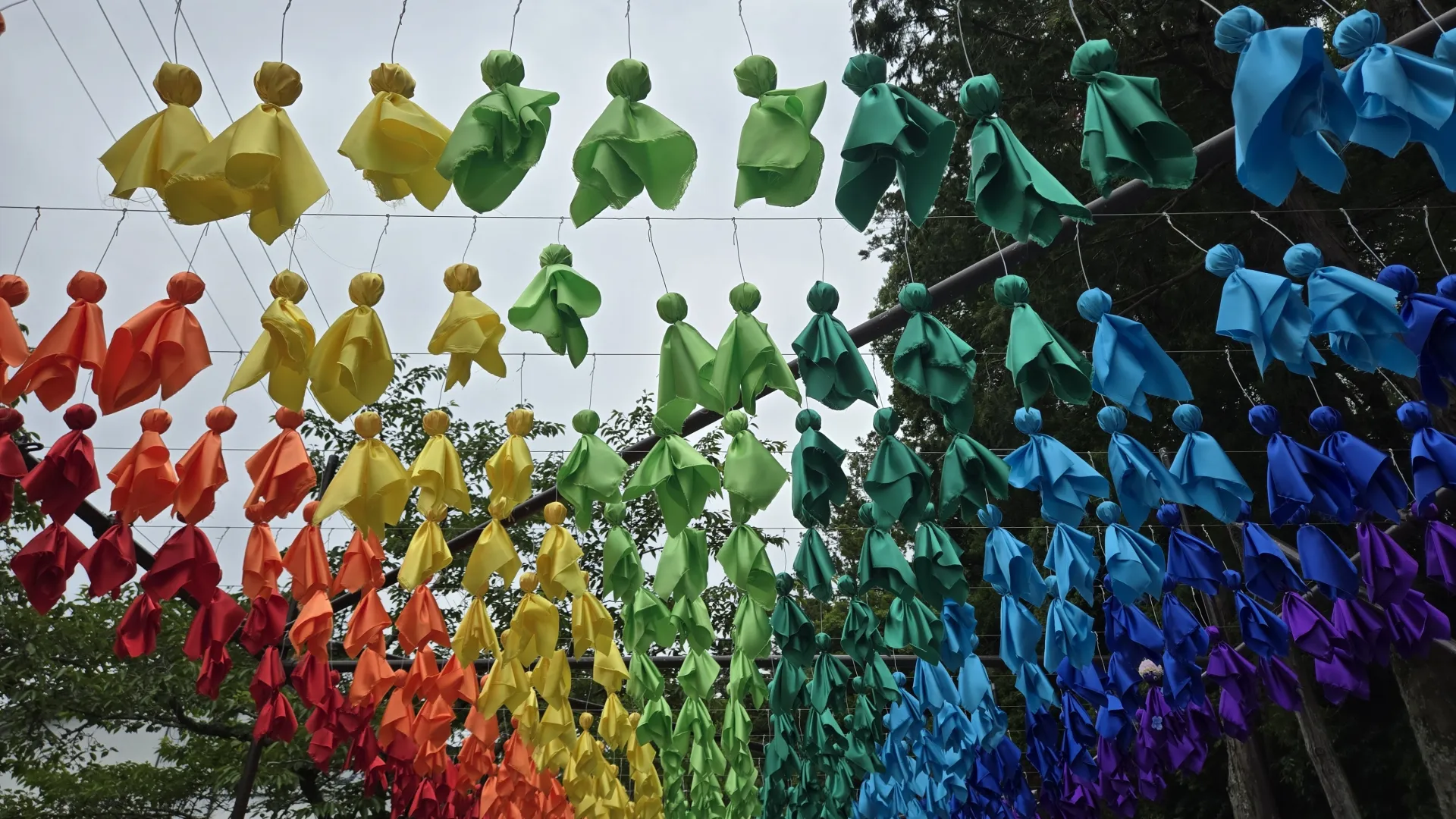
A teru teru bozu (てるてる坊主) is a simple, traditional Japanese handmade doll with a round head and a flowing body. It is a popular folk custom to hang them by the window to pray for clear skies the day before a picnic or a school sports day. Usually made of tissue paper or cloth tied at the neck, it is simple to create. However, hanging a teru teru bozu upside down reverses its meaning—it becomes a plea for rain.
 Source: PhotoAC, Photographer: ふくだしんご
A Pure and Desperate Wish
As summer begins, Yuji hangs the teru teru bozu upside down. His classmates tease him, calling him weird, but his teacher praises him, calling it a wonderful idea, and lets the doll stay. She likely understood the simple yet desperate longing for his mother underlying the boy's actions.
When she was alive, Mio often read a picture book to Yuji. It was a story about someone who stays by their loved one's side for a short while, only to eventually return to where they came from. Just like the character in that story, Mio returned as a being bound to the rainy season.
When the rainy season began and his mother actually came back, just as she had promised, one can only imagine how desperately the child must have wished for her to stay longer. Since her promise to return came true, it stands to reason that the storybook's ending—that she must leave when the rain stops—will also come true. And so, what starts as a single teru teru bozu multiplies over time, growing in number just as the child's desperate wish grows stronger.
Whether hung right-side up or upside down, a teru teru bozu is ultimately just a superstition with no real effect on the weather. But the sincere hope behind it—whether it's the hope that the rain will stop so a long-awaited sports day can happen, or the desperate plea for a deceased mother to stay forever in the rain—is entirely real.
On the day the rainy season finally ends, the precious time Yuji fought so hard to protect comes to an end with it. Mio leaves with the departing rain as promised, leaving behind only the collection of teru teru bozu dolls hanging by the window.
The traditional rules—that you shouldn't draw the doll's face until your wish comes true, or that you should use a black cloth when hanging it upside down—don't matter here. The colorful array of upside-down dolls simply gives physical form to a young boy's pure and desperate wish.